Nonni Embroidery File Design: A Business Review
As an embroidery designer who specializes in commercial branding and merchandise production, I approach every new digital asset with a critical eye toward manufacturability and brand impact. When evaluating the Nonni Embroidery File Design, my primary focus is not just its aesthetic appeal for Mother’s Day, but its viability as a versatile asset for small business merchandise, staff uniforms, and branded patches. This review breaks down how this specific machine embroidery design performs in real-world production scenarios for boutiques, cafés, creative studios, and Etsy sellers looking to elevate their product lines.
Visual Personality and First Impressions
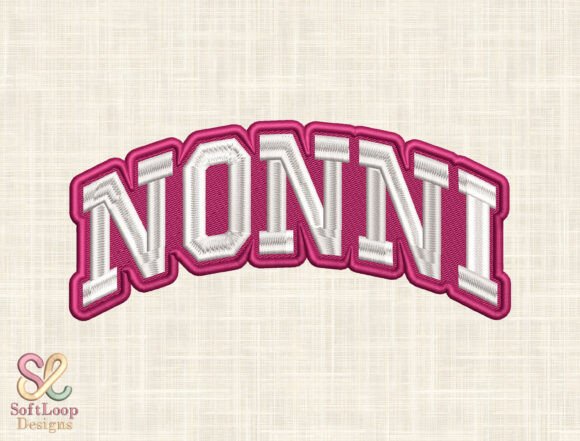
The first impression of the Nonni Embroidery File Design is one of classic warmth balanced with structural clarity. The description highlights a varsity-style font arranged in a curved arch layout with clean white lettering. From a design perspective, this combination signals reliability and tradition. Varsity fonts are inherently bold and legible, which is crucial for commercial embroidery where readability at a distance or on textured fabric texture is paramount.
For a small business owner, this visual personality translates to "established" and "friendly." It avoids the overly ornate script that often causes registration issues in machine embroidery, opting instead for a sturdy structure that holds up well during digitization. The curved arch is particularly significant; it mimics the natural contour of caps and chest placements, making it an ideal candidate for custom apparel and cap embroidery without requiring extensive reshaping. While clearly suited for Mother's Day gifting, the typographic strength allows it to function as a timeless brand mark for businesses with "Nonni" in their name or as a heritage-style label for handmade product lines.
Performance in Commercial Merchandise Applications
In my experience testing designs for commercial embroidery projects, the utility of a file is defined by its adaptability. The Nonni Embroidery File Design shows strong potential across several key business categories:
- Embroidered Patches: The varsity lettering and arch layout are naturally suited for patch production. The bold strokes allow for clean merrowed edges or satin borders. This makes it an excellent choice for creating branded patches that can be heat-sealed onto tote bags, denim jackets, or backpacks sold in boutique settings.
- Staff Uniforms and Aprons: For cafés, bakeries, or florists, apron embroidery requires high contrast and durability. The clean white lettering mentioned in the product details suggests a design optimized for visibility against darker fabrics like navy, black, or forest green aprons. The arch shape sits perfectly above a pocket or centered on the chest bib, ensuring the brand identity remains visible even when the wearer is moving.
- Tote Bag Design and Packaging: Small businesses often use tote bags as mobile advertising. This design’s bold nature ensures it won't get lost in the weave of canvas or linen. Furthermore, because the lettering is distinct, it can serve as a premium accent on product packaging, such as embroidered drawstring bags for jewelry or soap, adding perceived value to the finished product.
- Etsy Branding and Digital Assets: For digital sellers, this file serves as a foundational element. Beyond physical stitching, the clean lines make it easy to create a printable mockup for listing photos. Consistent use of this design across tags, labels, and marketing materials helps build immediate customer recognition and trust.
Production Considerations and Technical Constraints
While the Nonni Embroidery File Design is aesthetically pleasing, professional application requires attention to technical limitations. As with any digital embroidery file, you must verify specific parameters before running production. Here are the areas where caution is advised:
Fabric Texture and Stabilizer Selection
Varsity fonts typically utilize column stitches or heavy satin stitches. On textured fabrics like terry cloth towels or rough canvas, these stitches can sink or distort if not properly supported. You must test your stabilizer choice rigorously. A cut-away stabilizer is generally recommended for stretchy knits used in custom apparel, while a tear-away may suffice for stable woven tote bag design applications. Always run a test stitch-out on the exact material you intend to use for the final product to ensure the white lettering remains crisp and doesn't pucker.
Sizing and Stitch Density
The curved arch layout presents unique challenges at small sizes. If you attempt to shrink this design for a tiny sleeve detail or a minimalistic tag, the inner curves of the letters may overlap, causing thread breaks or a stiff, bulletproof feel. Check the minimum recommended size in the file metadata. High stitch density in varsity fonts can also lead to fabric distortion on lightweight garments. If using this for delicate blouses or lightweight event merch, consider requesting or creating a low-density version of the file to maintain drape and comfort.
Color Contrast and Thread Management
The design features clean white lettering, which is high-impact but unforgiving. White thread shows oil marks, needle dust, and bobbin tension issues more than any other color. Ensure your machine is perfectly cleaned and oiled before starting a production run. Additionally, if applying this to white or light-colored merchandise, the design will lack contrast unless you modify the thread colors or add an outline. Always confirm that the chosen thread colors align with your brand identity guidelines before hooping fabric.
Impact on Brand Identity and Customer Trust
Investing in quality design assets like the Nonni Embroidery File Design is an investment in professionalism. In the handmade and small business sector, customers equate stitch quality with product quality. A well-executed varsity arch communicates attention to detail. When a customer receives a handmade product featuring precise, clean embroidery, it validates the price point and builds loyalty.
Furthermore, consistency creates recognition. Using this specific typography across your apron embroidery, cap embroidery, and packaging creates a cohesive visual language. Whether you are a pet brand honoring a founder's grandmother or a bakery celebrating family heritage, this design bridges the gap between personal sentiment and professional presentation. It transforms a simple garment into a piece of branded storytelling that resonates emotionally while maintaining commercial standards.
Designer Notes for Successful Implementation
Before adding this machine embroidery design to your production queue, follow this professional checklist to ensure optimal results:
- Verify Licensing: Confirm the commercial licensing terms included with the digital embroidery file. Ensure you have the right to use it for selling physical merchandise versus just for personal Mother's Day gifts.
- Check Hoop Size Compatibility: Measure the actual dimensions of the design file against your available hoops. The curved arch may require a larger hoop width than straight text. Do not assume it fits your standard 4x4 hoop without measuring.
- Create Client Mockups: Before stitching for a client, generate a printable mockup showing the arch placement on their specific garment. Get written approval on size and placement to avoid costly rework.
- Test in Black and White: Even if the design is white, stitch a test in black thread on white fabric first. This reveals tension issues and registration errors more clearly than white-on-dark tests.
- Inspect Spacing: Zoom in on the file in your editing software. Verify that the spacing between letters in the arch is consistent. Uneven kerning in varsity fonts is immediately noticeable and detracts from the premium feel.
- Compare Beside Other Assets: Place this design next to your existing logo or brand elements. Ensure the weight of the varsity font complements rather than competes with your primary brand identity.
The Nonni Embroidery File Design offers a robust foundation for small business merch and meaningful personal projects alike. By respecting the technical requirements of stitch density, stabilizer selection, and sizing, you can leverage this classic varsity aesthetic to create professional, durable, and emotionally resonant embroidered goods that stand out in a crowded marketplace.