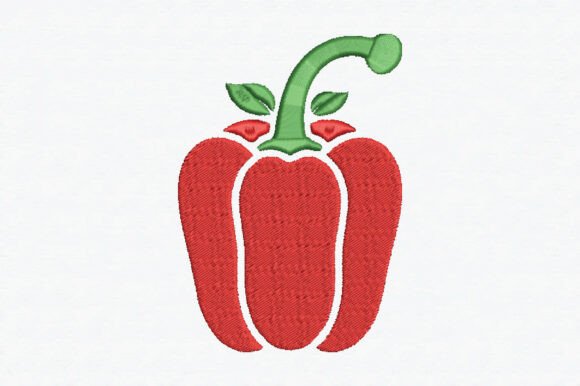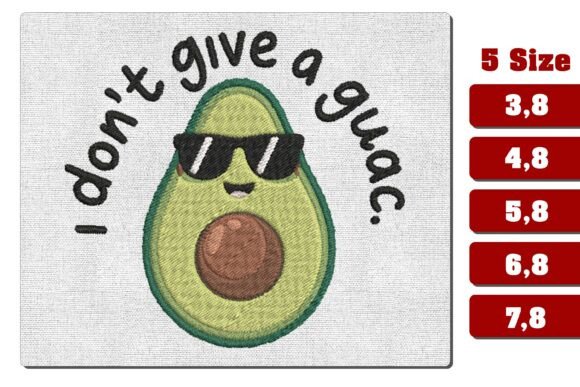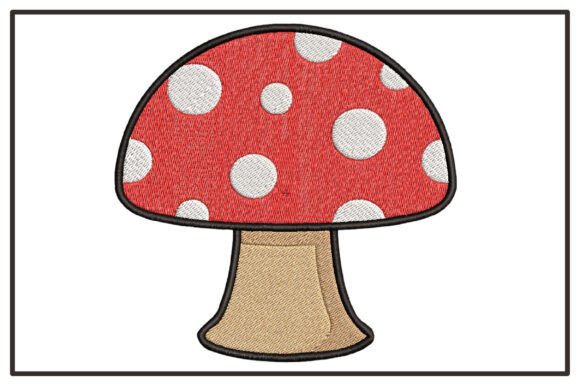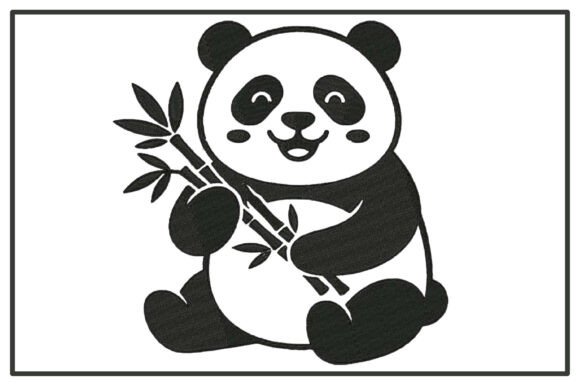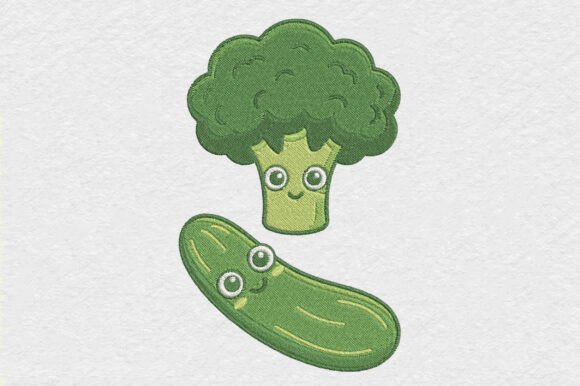
Cute Vegetable Embroidery Design
First Impressions: Playful, Kawaii, and Market-Ready
As an embroidery designer preparing for a weekend craft fair, the Cute Vegetable Embroidery Design immediately stands out for its kawaii charm and whimsical personality. The smiling broccoli and cucumber add a fun, lighthearted touch that feels perfect for handmade products aimed at families, food lovers, and craft enthusiasts. It’s not farmhouse or rustic—it’s definitely more playful than that. It’s a soft, modern design with a touch of humor that can brighten up everyday items like tote bags, tea towels, and embroidered patches.
Where This Design Shines: Product Picks for Maximum Appeal
This design has a strong visual presence that works especially well on tote bags, aprons, and tea towels—items that are commonly sold at craft fairs and on Etsy. The cute faces and bold outlines make it easy to notice from a few feet away, which is crucial for booth traffic. On embroidered patches, it becomes a collectible-style accent for denim jackets or backpacks. Pillow covers and fabric pouches also benefit from the design’s cheerful energy, making them feel like giftable, boutique-quality items.
For digital sellers and small shop owners, this design is a strong candidate for printable mockups and design assets. Its style is versatile enough to be used in multiple color variations, giving buyers a sense of customization without overwhelming the design itself.
Practical Production Points: Easy to Stitch, Easy to Sell
From a production standpoint, the Cute Vegetable Embroidery Design feels straightforward. It reads clearly at a glance, even from a short distance, making it a good option for quick customer engagement. It works both as a small accent on pouches or as a larger focal point on tote bags and aprons, which gives sellers flexibility in how they present the design across their product line.
When photographing for Etsy listings or social media, this design is likely to pop. The bold outlines and expressive faces make it visually engaging, especially when paired with light-colored fabrics. For batch production, it’s repeatable without requiring excessive thread changes or overly dense stitching, which is a plus for time and cost efficiency.
Things to Watch For: Stitch Density and Fabric Compatibility
That said, as with any machine embroidery design, some care is needed. Areas with dense stitching—like the eyes or leaf details—should be checked for thread tension and fabric pull. If you're stitching on thick or textured fabrics like kitchen towels or heavy canvas, you may want to use a lightweight stabilizer to keep the design crisp and prevent puckering.
If you're considering embroidered caps or curved surfaces, test the design first—small details can get lost on rounded areas. Similarly, if you're planning to reduce the design size for patches or small items, make sure facial features remain clear and not muddled.
Display and Sales Impact: A Crowd-Pleaser at the Craft Fair
In a real-world craft fair setting, this design would stand out on a display table filled with tote bags and tea towels. Customers tend to gravitate toward cheerful, recognizable imagery, and the smiling vegetables offer a soft, approachable vibe. It’s not overly niche, so it can appeal to a wide range of buyers—from parents looking for kid-friendly items to foodies wanting a subtle nod to their interests.
For boutique makers and Etsy sellers, this design supports brand consistency when used across multiple product types. It helps create a cohesive look in your booth or online store, especially when paired with complementary designs or color palettes. It also adds a handmade quality that feels intentional and well-crafted, not mass-produced.
Designer Notes: Test Before You Commit
Before jumping into full production, always test the Cute Vegetable Embroidery Design on scrap fabric. Check how the thread colors interact with your chosen fabric—especially if you're using dark or patterned materials. Confirm the hoop size fits your machine and that the stitch density is appropriate for your fabric type.
Create at least one real mockup before listing it online. A photo of the design on an actual tote bag or apron will give buyers a clearer idea of scale and quality than a digital mockup alone. Compare how it looks on different fabric colors to see what gives the best contrast and clarity.
And most importantly—verify the licensing. If you’re selling finished products at a craft fair or on Etsy, make sure the embroidery file you’re using allows for commercial use. This ensures you’re not unintentionally violating any digital design terms.
Final Thoughts: A Versatile, Fun Design for the Handmade Market
The Cute Vegetable Embroidery Design is a smart addition to any handmade product line aimed at craft fairs, Etsy shops, or boutique markets. It’s fun, flexible, and photogenic—three key traits for success in the handmade space. Whether you're using it on embroidered patches, tote bags, or kitchen towels, it brings a sense of joy and approachability to your items. Just be mindful of fabric choices, stitch density, and licensing, and you’ll have a winning product that customers will notice and remember.